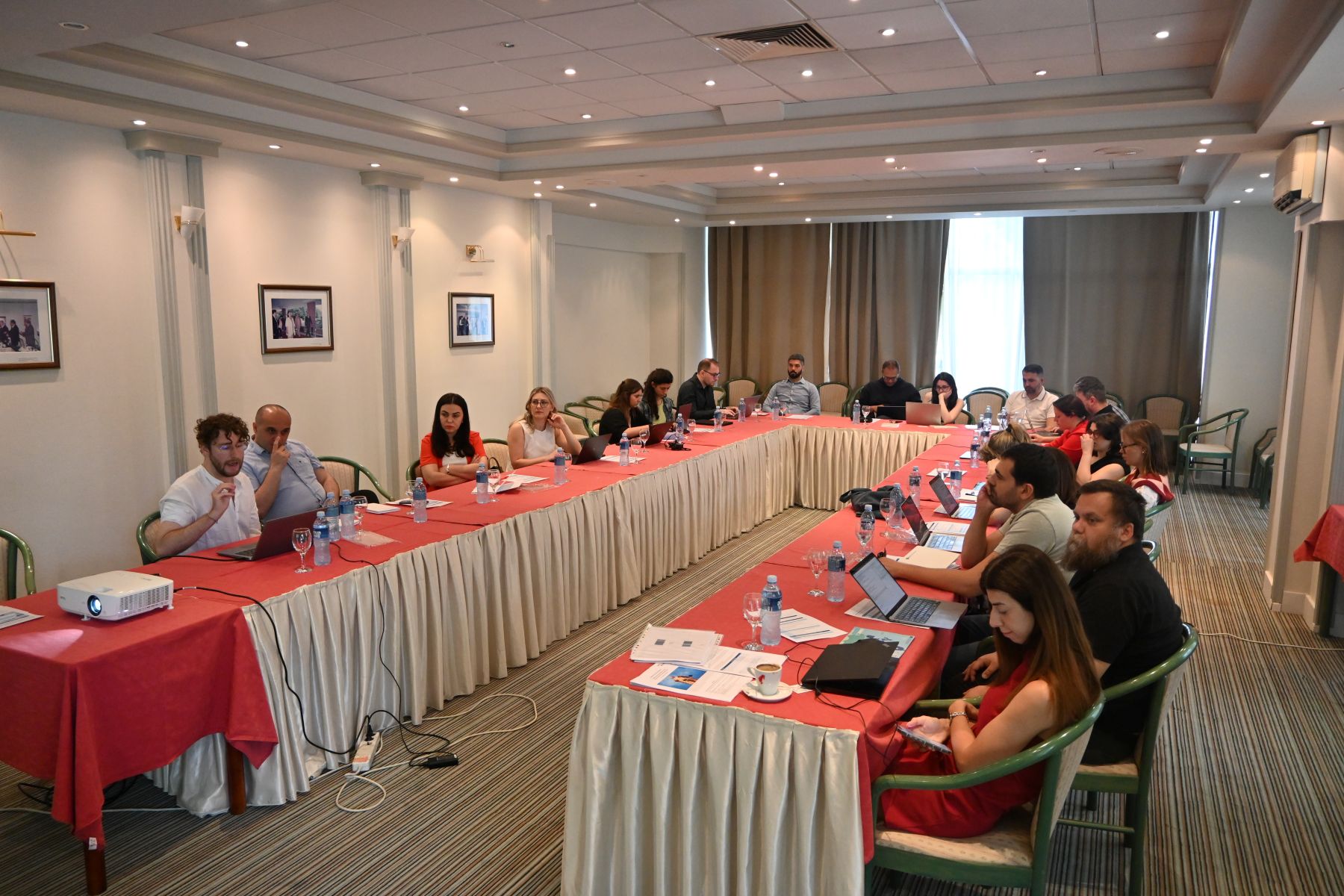
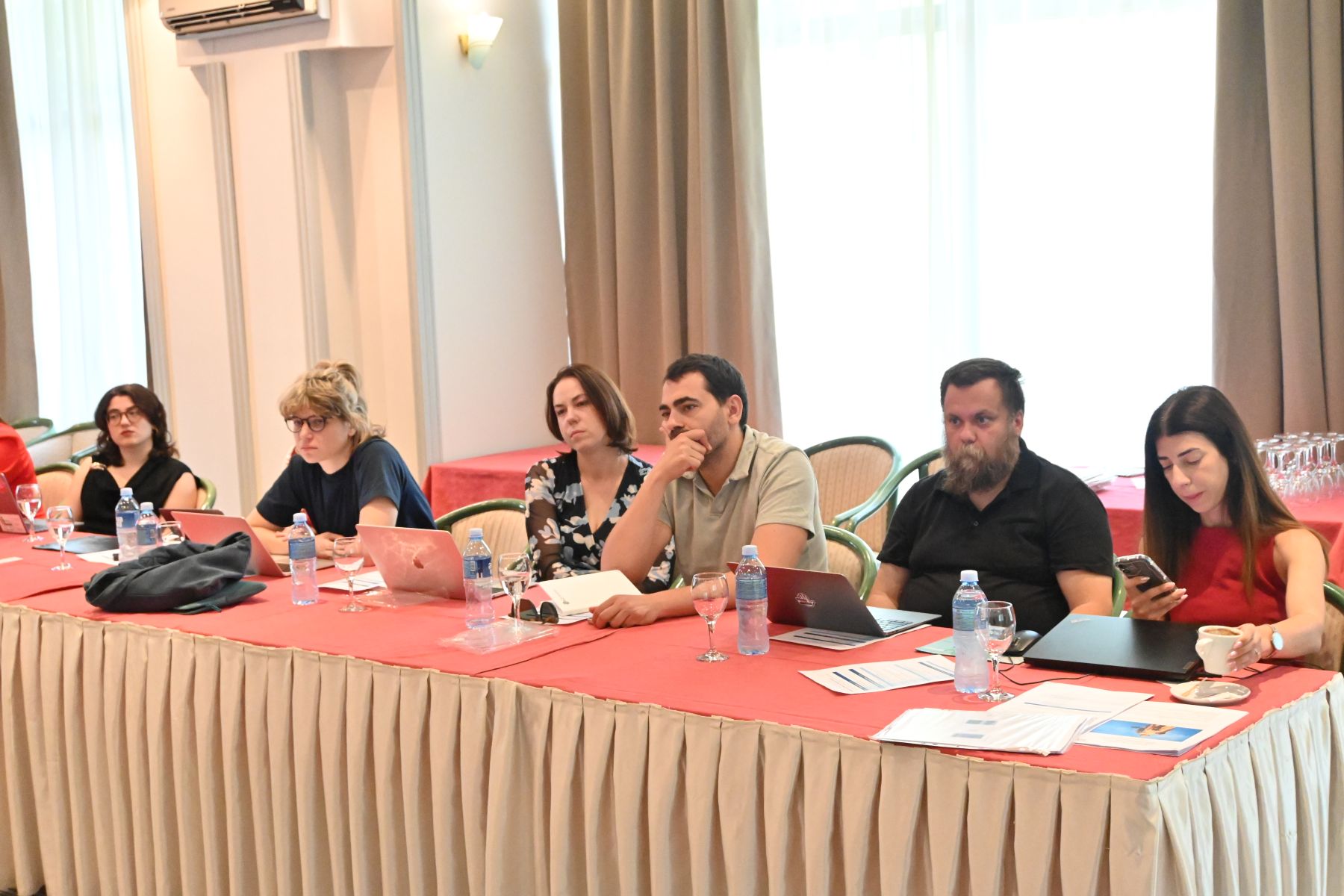
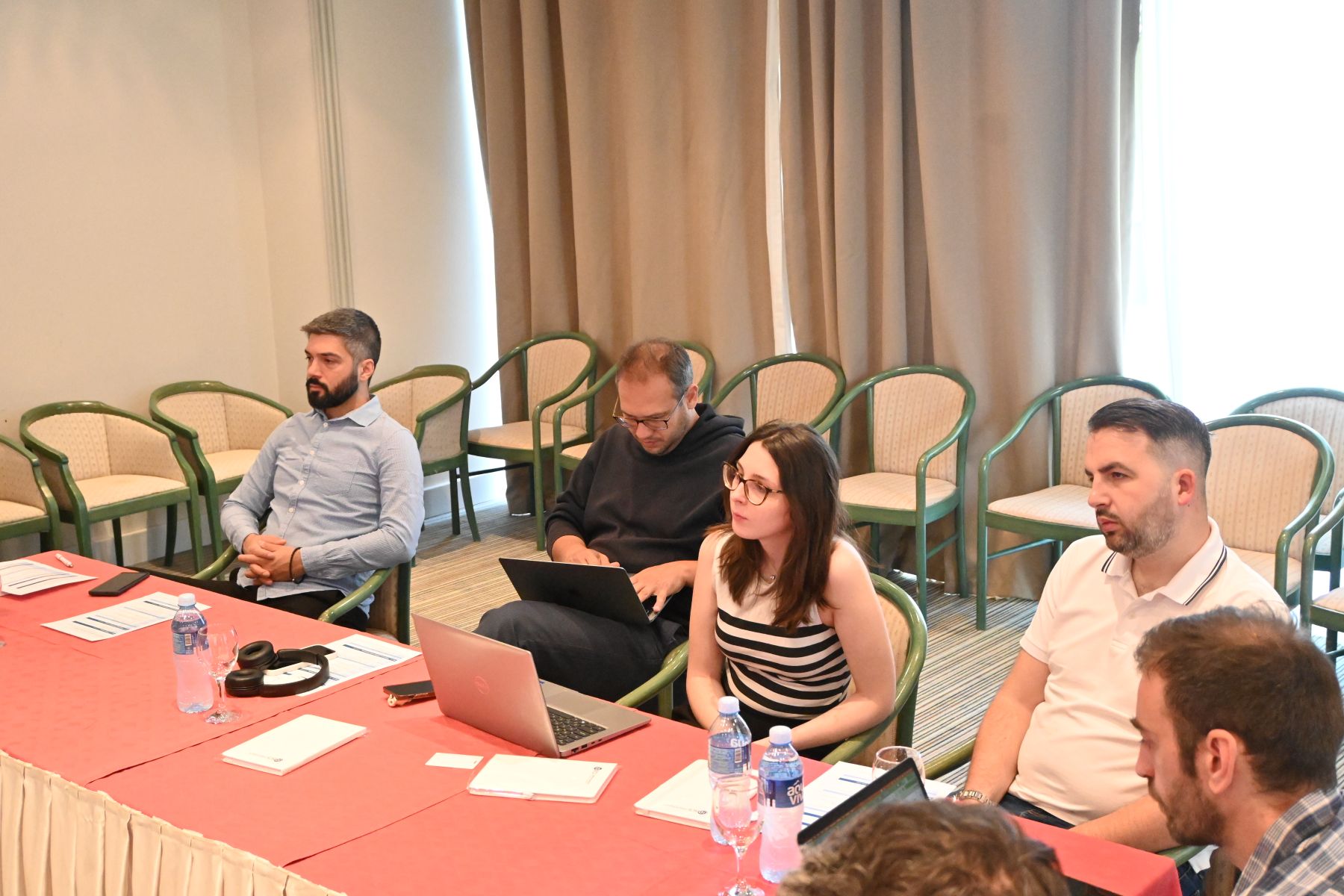
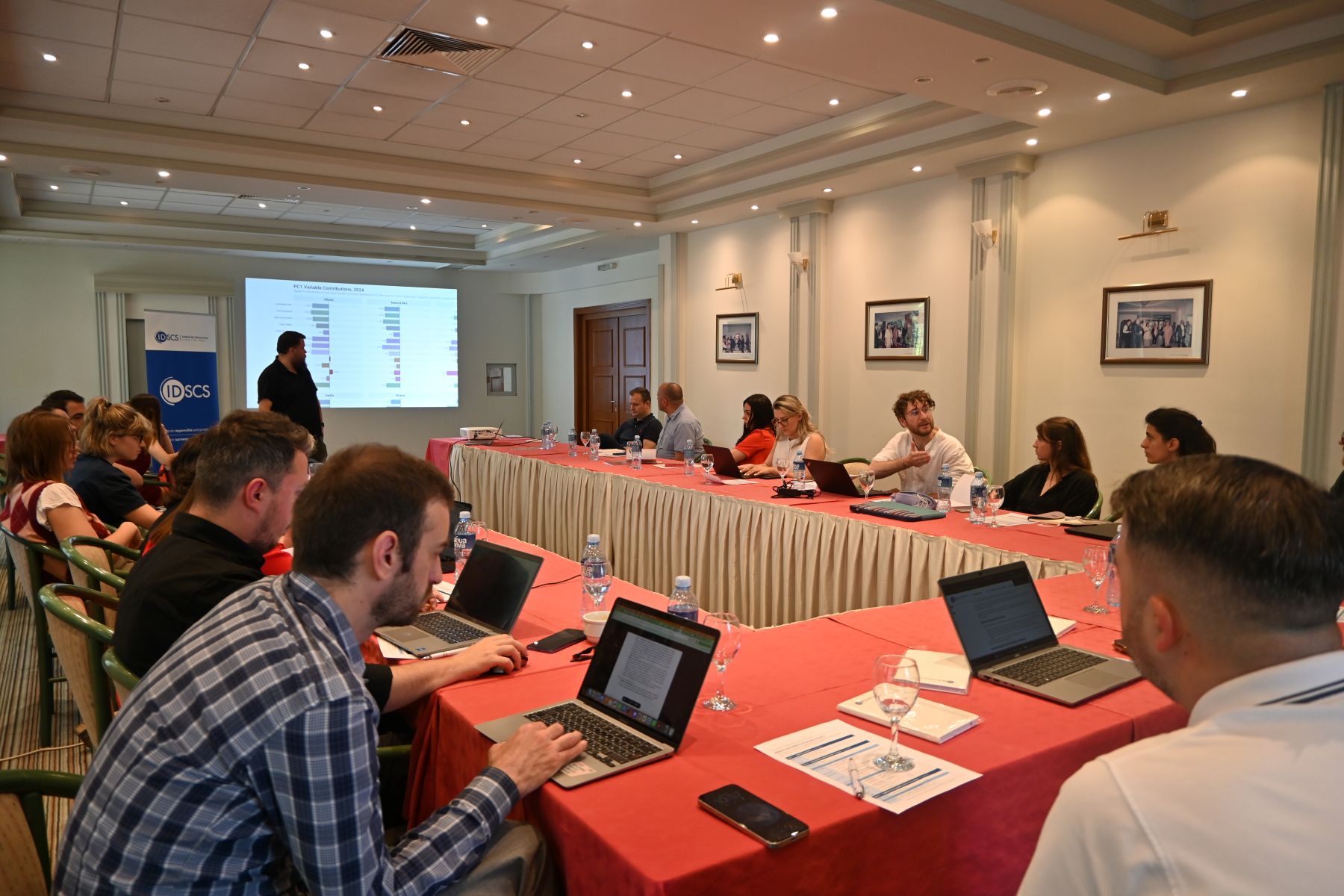
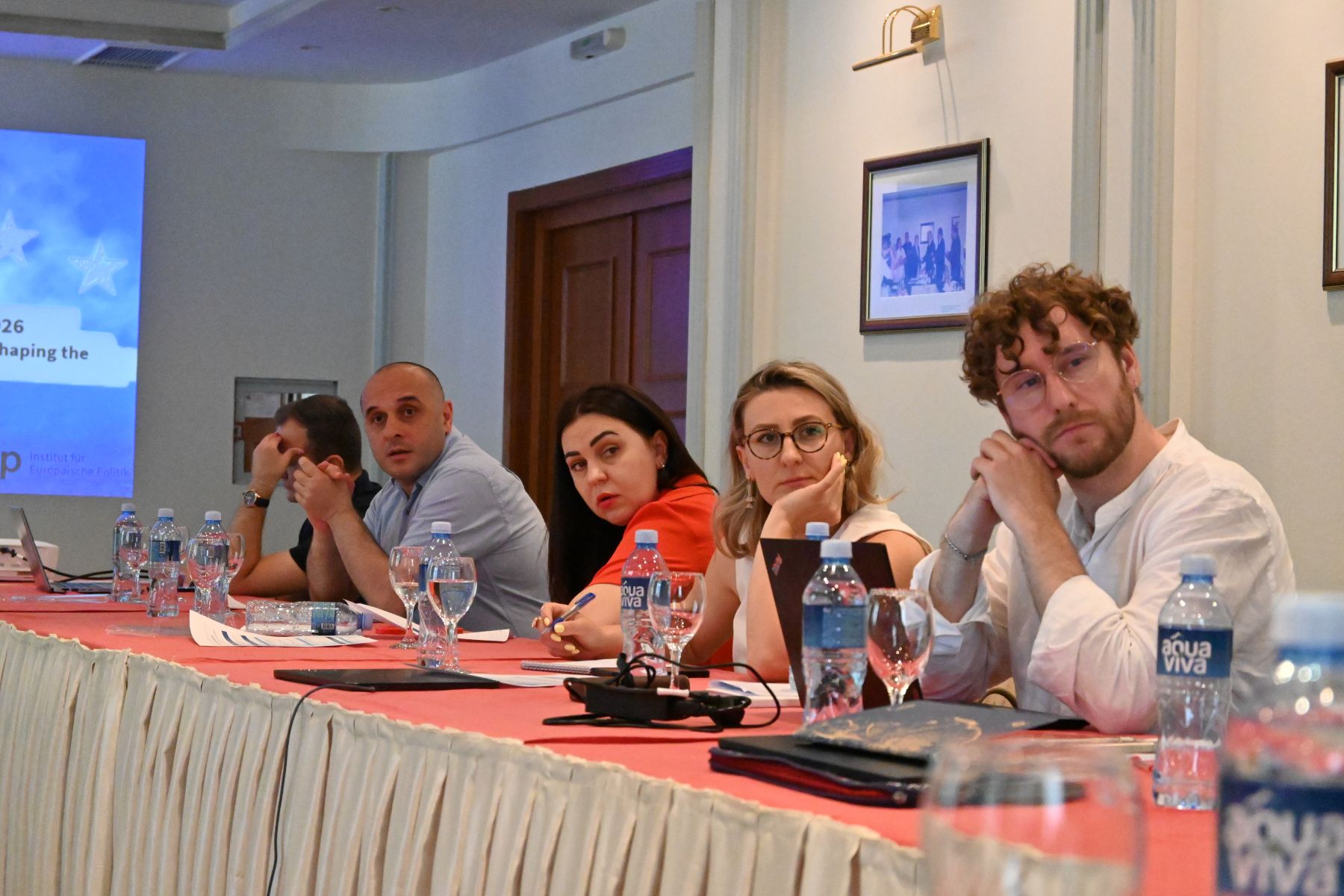
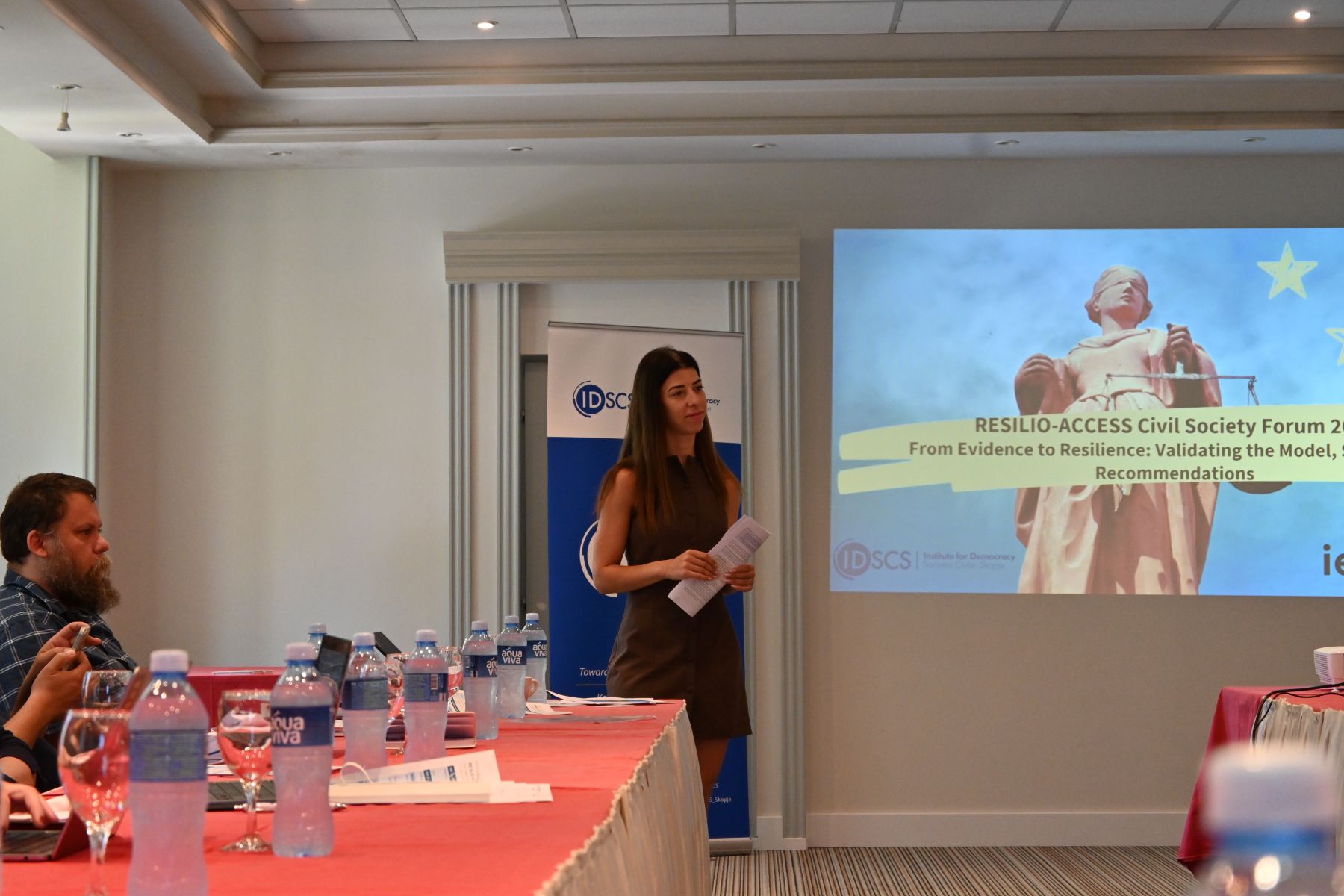
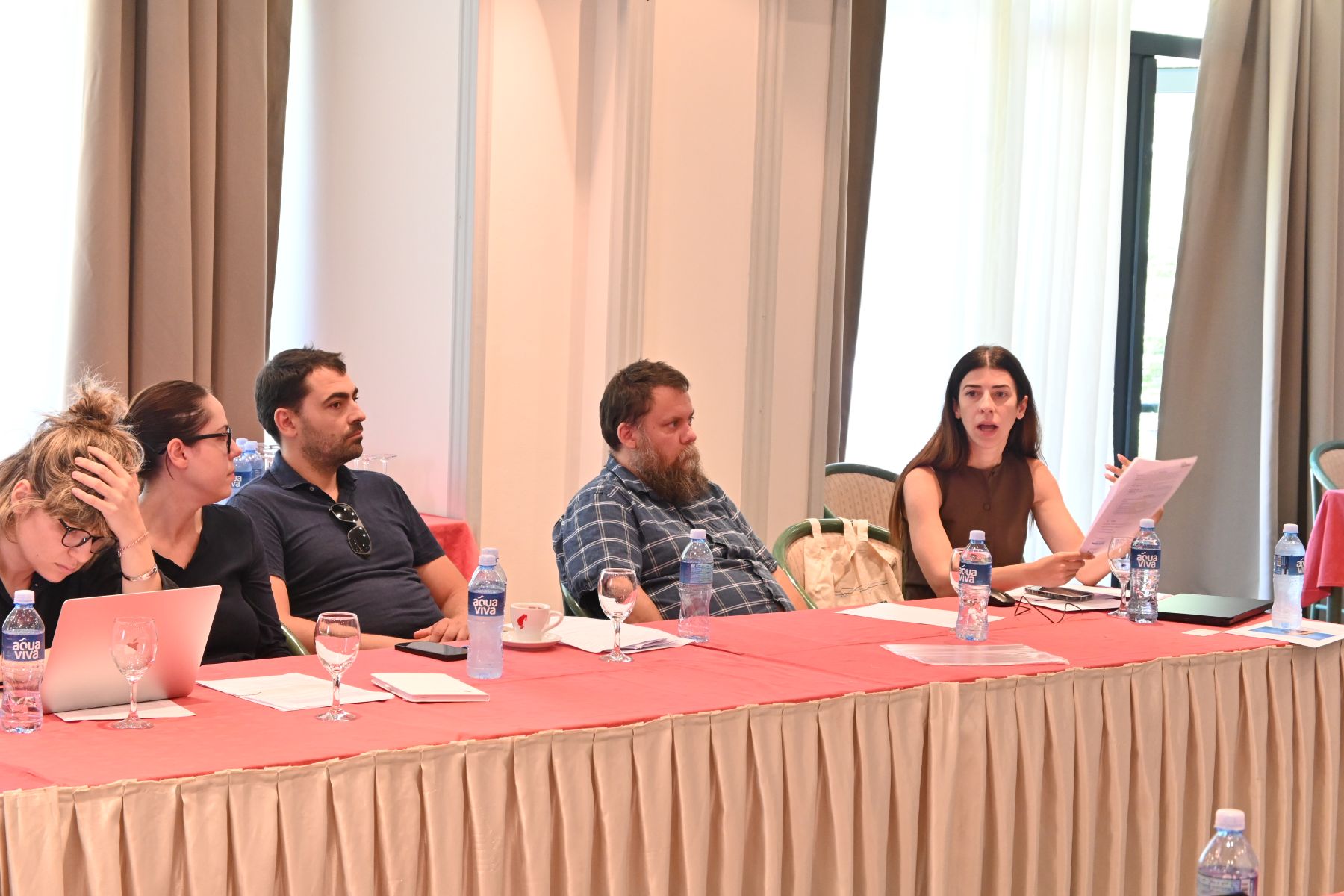
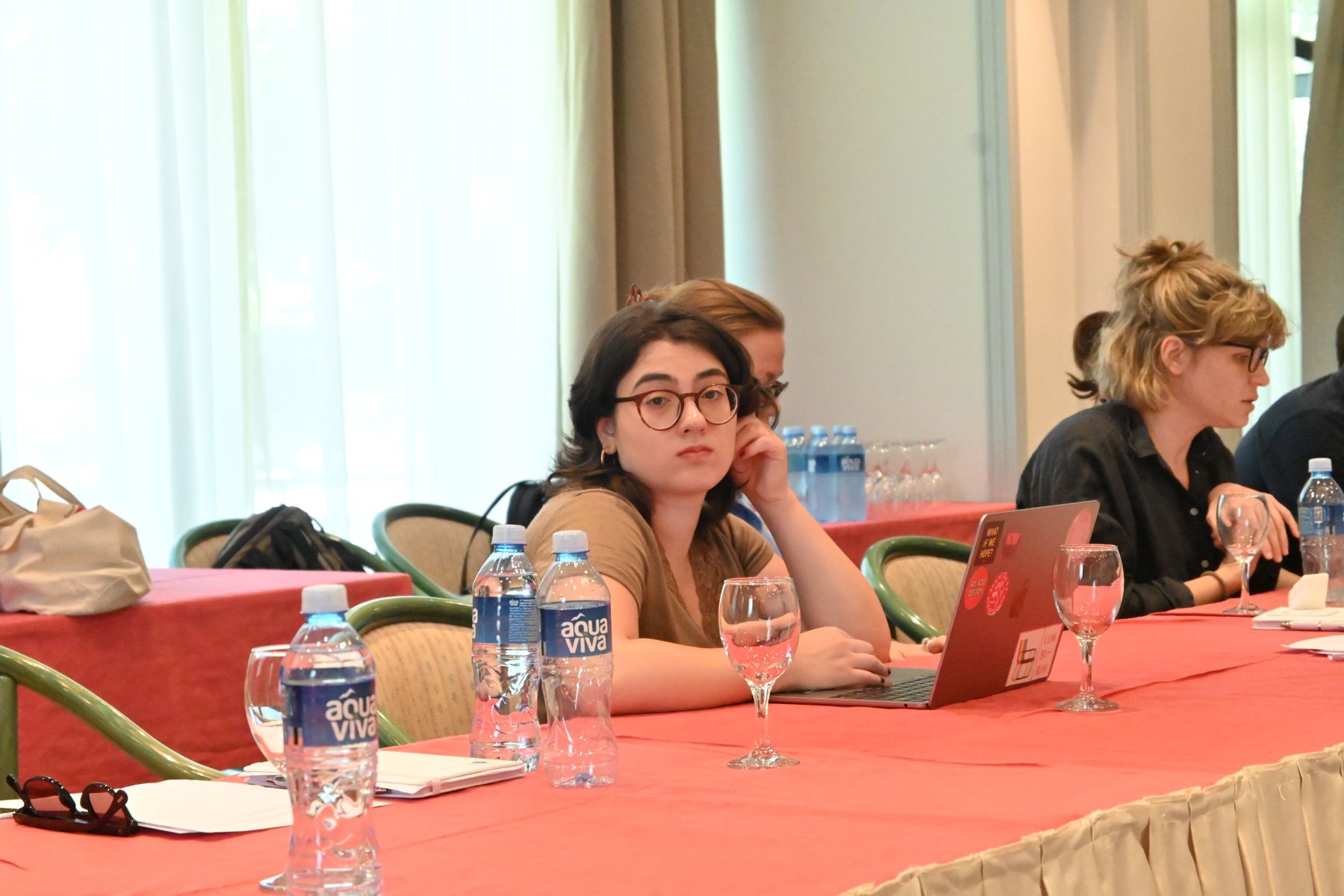
Representatives of civil society organisations from the Western Balkans and the Eastern Partnership countries gathered in Ohrid for the second RESILIO-ACCESS Civil Society Forum, organised by the Institute for Democracy “Societas Civilis” – Skopje. The forum was held within the framework of the project “RESILIO-ACCESS: Rule of Law Resilience Observatory in EU Candidate Countries”.
The Forum was a continuation of the previous Civil Society Forum held in November 2025 in Berlin, where civil society representatives gathered to discuss the initial theoretical framework of the RESILIO-ACCESS model. The second forum in Ohrid served as a venue for validating the initial data analysis and key findings through the experience and expert knowledge of the participants.
Participants were civil society representatives from the Western Balkan countries (WB) — Albania, Bosnia and Herzegovina, Kosovo, Montenegro, North Macedonia, and Serbia — as well as Eastern Partnership (EaP) countries Moldova, Georgia, and Ukraine.
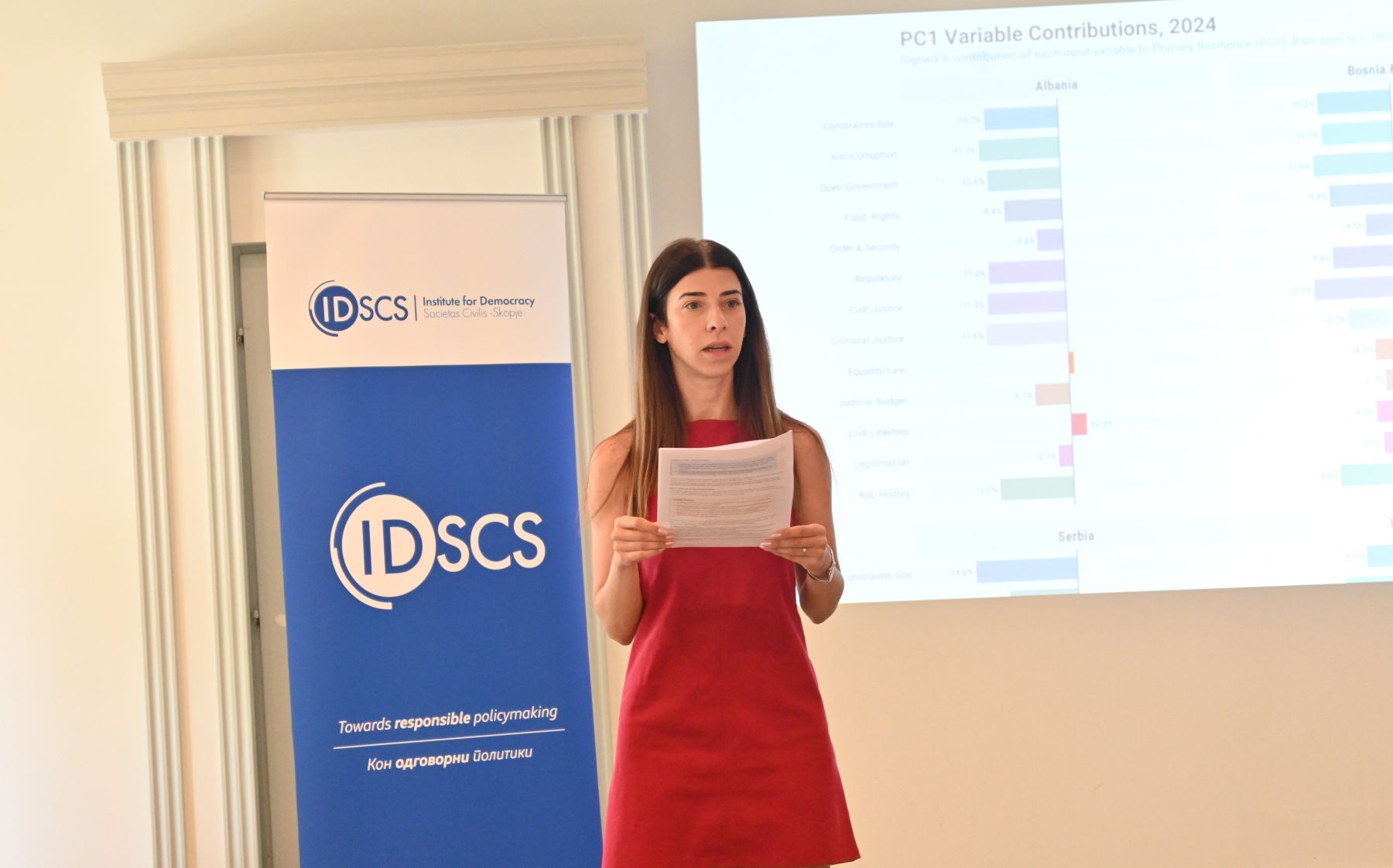
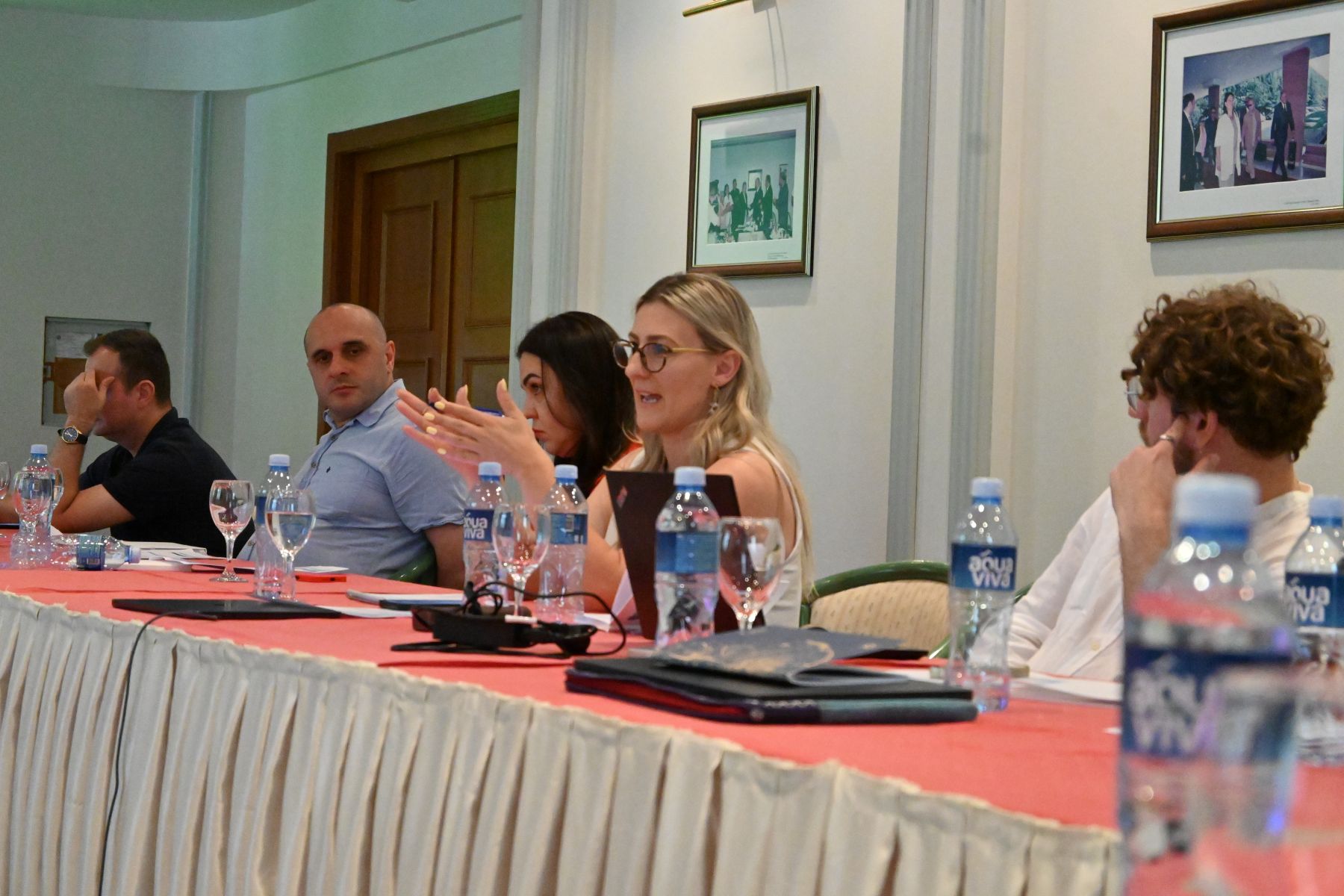
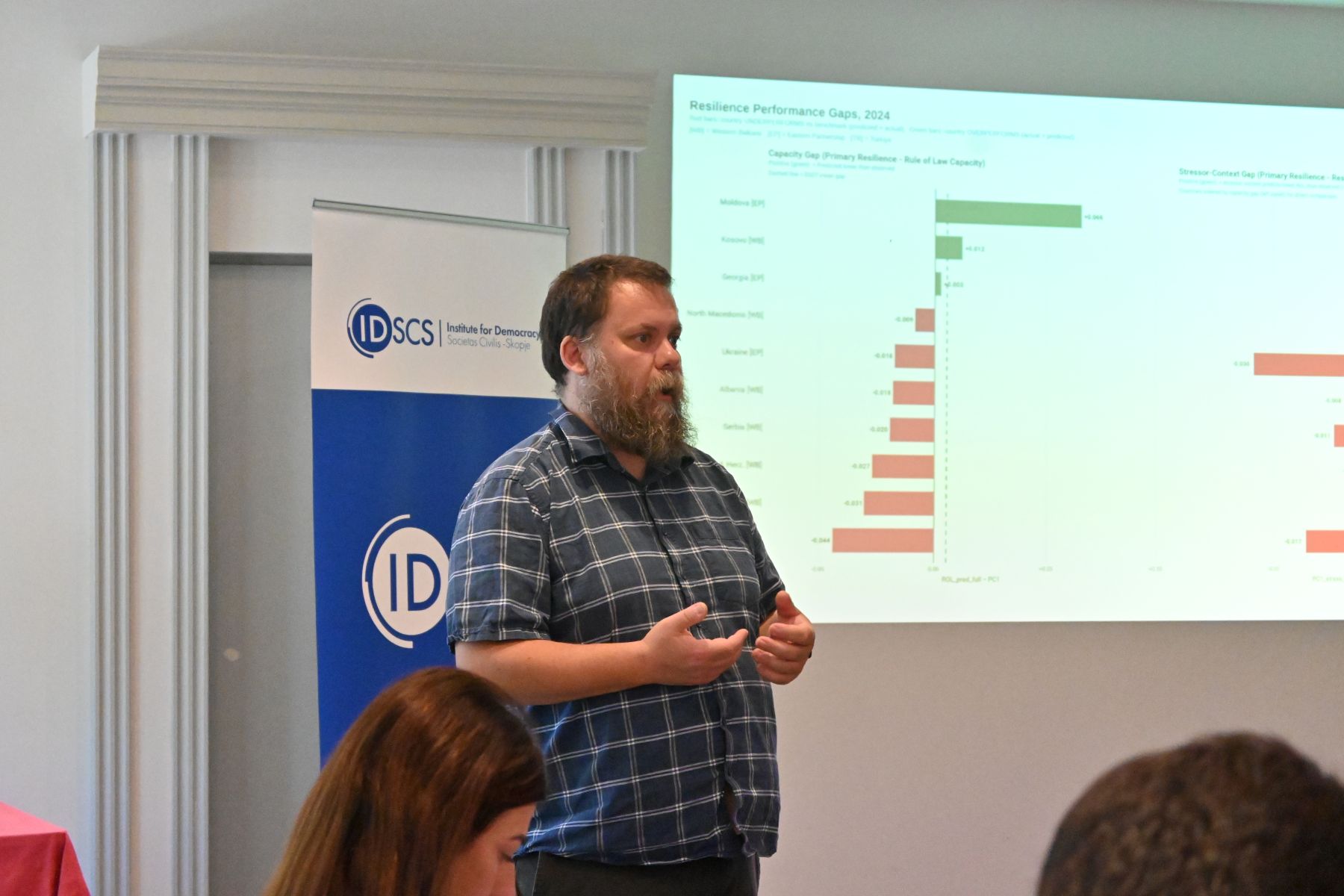
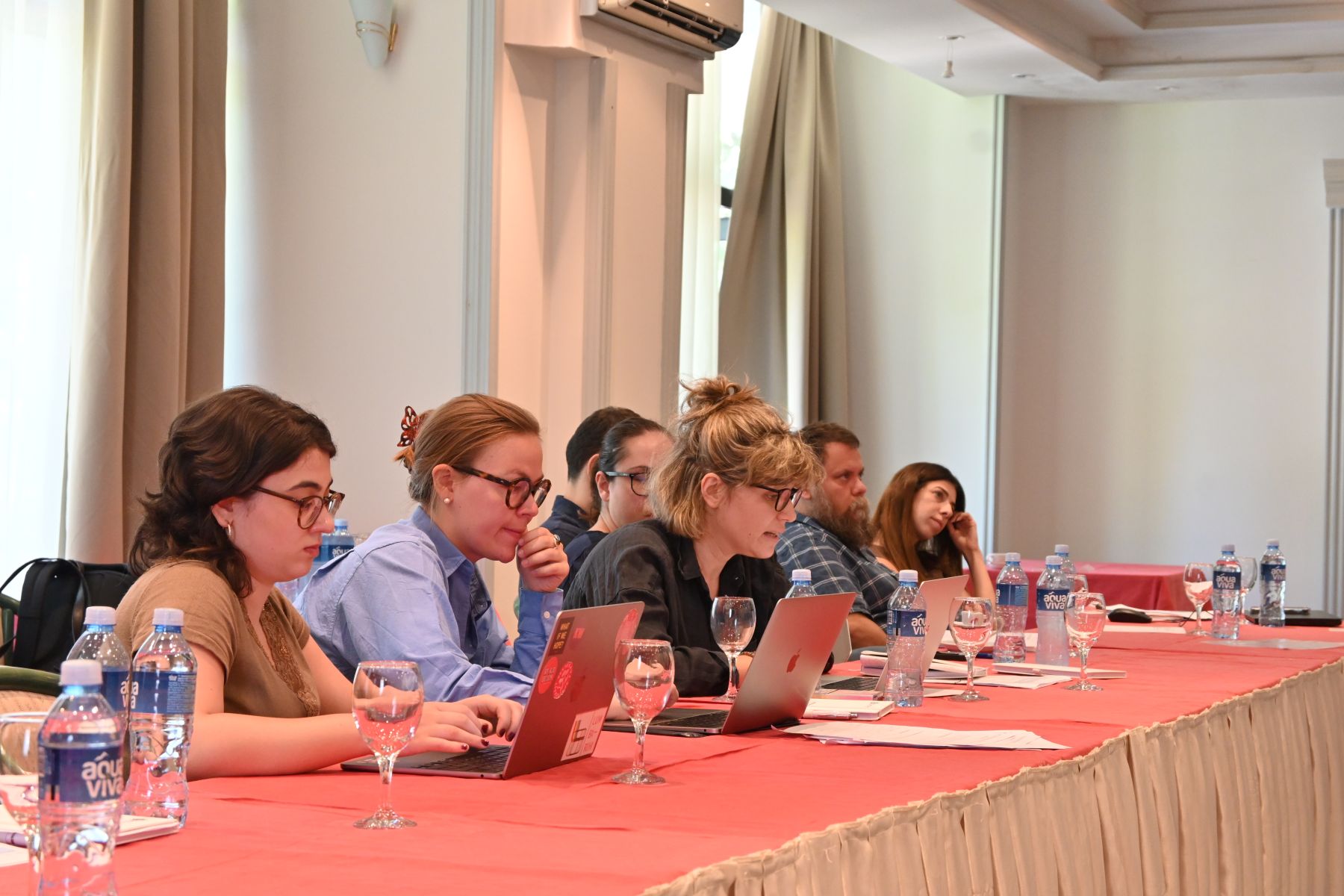
Throughout the working days, researchers presented the primary and subsidiary resilience resources for each individual country, comparing them against the EU standard and the scores obtained through data analysis. In working groups, participants had the opportunity to discuss the data within their national contexts.
The discussion also revolved around threats to the rule of law resilience, which were tested against the policy recommendations produced at the previous Civil Society Forum. Based on these discussions, the project will deliver a full analytical study grounded in the data collection and analysis, alongside concrete policy recommendations.
The data discussed at the Civil Society Forum, in the form of the RESILIO-ACCESS Monitor, is available online and can be accessed here.
About the RESILIO-ACCESS: Resilience Observatory on the Rule of Law in EU Accession Candidates project: How resilient is the rule of law in the EU enlargement countries? RESILIO-ACCESS uses an interdisciplinary approach to answer this question and identifies how EU enlargement policy can contribute to resilient democratic structures in the region. The project is jointly implemented by the Institut für Europäische Politik (IEP) Berlin and the Institute for Democracy “Societas Civilis” Skopje.
Настани поврзани со проектот
Threats to Rule of Law Resilience
14.05.2026