

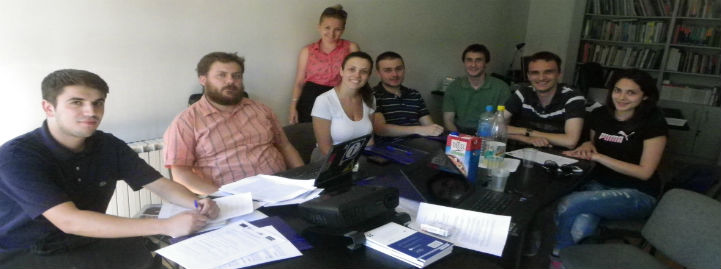
How to monitor the debate in the Parliament and assess its quality? Students – trainees of legal and political sciences last week in the premises of the Institute for Democracy had a training on monitoring the parliamentary debate and the media reporting for the work of the Parliament. The training was organized by IDSCS and the Institute for Central-Eastern and Balkan Europe ICEBE, where the trainees were educated to use the Discourse Quality Index, through which they will monitor the parliamentary debates within the project “Parliament Watch, Strengthening the Political Debate and the Deliberative Discourse”.
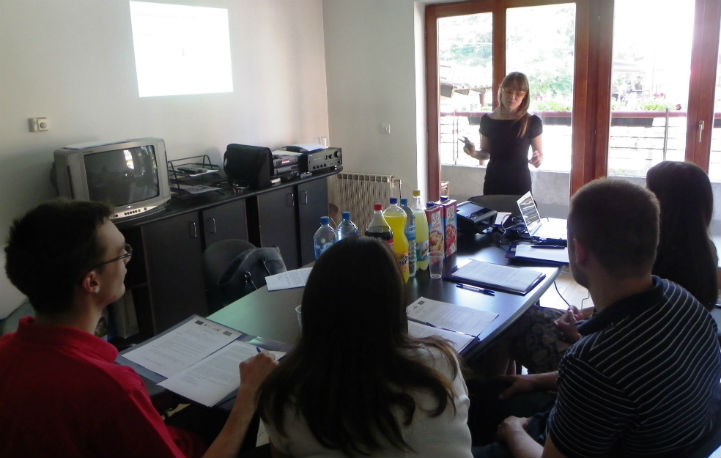
The index will enable assessing the speeches of the MPs through several basic indicators. The first indicator is how much the MPs respect each other and what is the level of respect towards other MPs. The second indicator is the level of argumentation in the views of the MPs. The third indicator is the use of abusive speech by the MPs and the fourth refers to the readiness of the MPs to change their positions and views under the force of better arguments expressed in the debate.
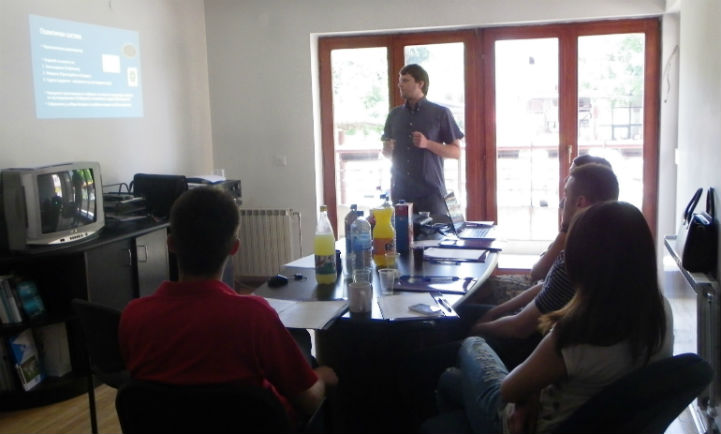
In that direction the monitoring training enclosed familiarization with the bases of deliberative democracy, the problems and the challenges in its use. The second part of the training dealt with the composition and the structure of the Parliament, its responsibilities, the legislative procedure and the position of the legislative power in relation to other powers. The third part was about the familiarization with the original Discourse Quality Index and its adaptation to the conditions in the Parliament, through which the debates will be monitored.
The monitoring of the speeches on the plenary and the sessions of eight parliamentary committees and their coding through the methodology already used in several national parliaments and in the European Parliament will last 10 months. At the same time, monitoring of the media reporting from the parliamentary debates will be done within the project.
The project is financed by the European Commission through the European Instrument for Democracy and the Human Rights – EIDHR.