Eighty percent of citizens in our country refused to even consider the possibility of financial compensation in exchange for signing a petition contrary to their political beliefs. Similarly, 78% refused to consider financial compensation in exchange for abstaining from voting.
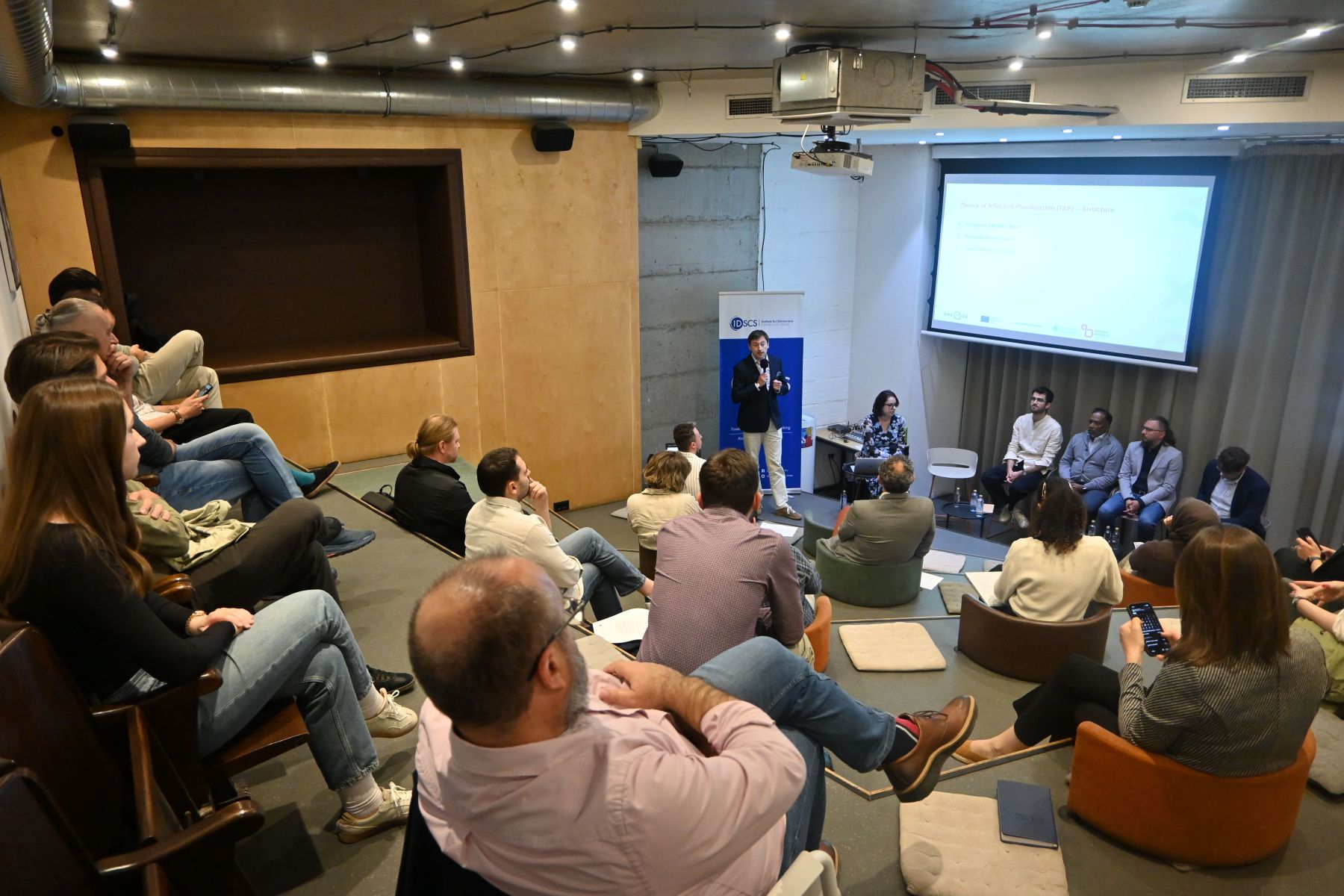
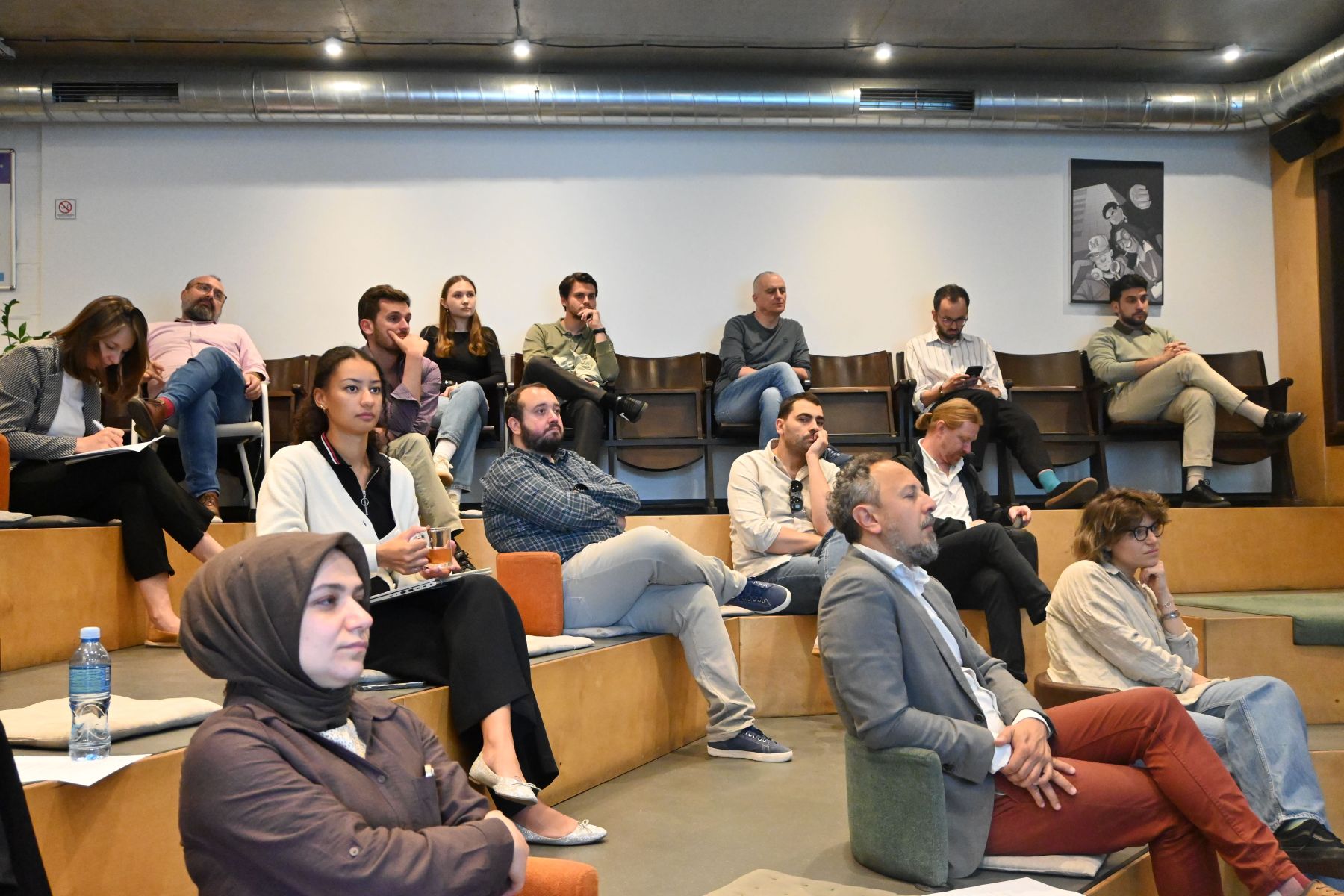
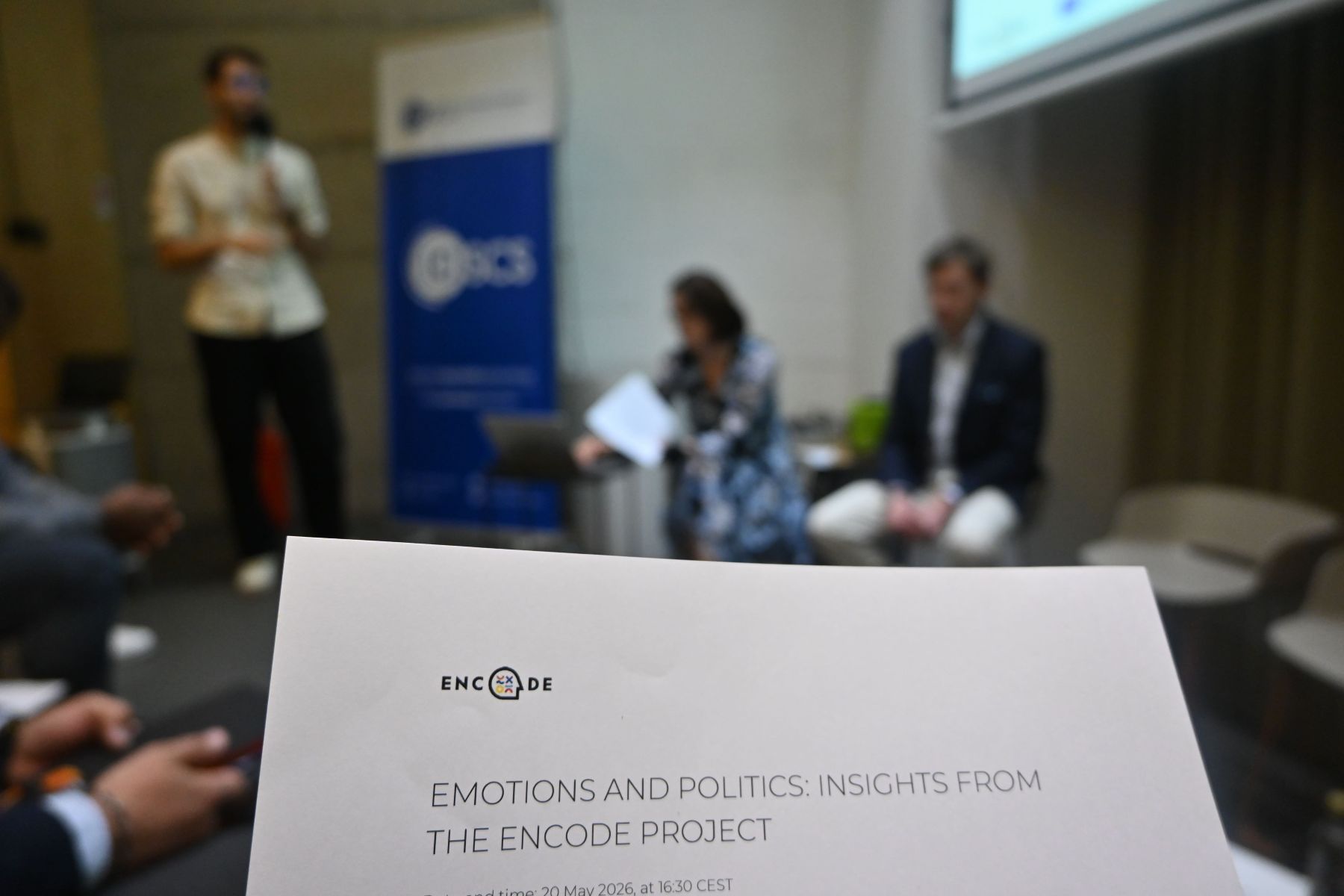
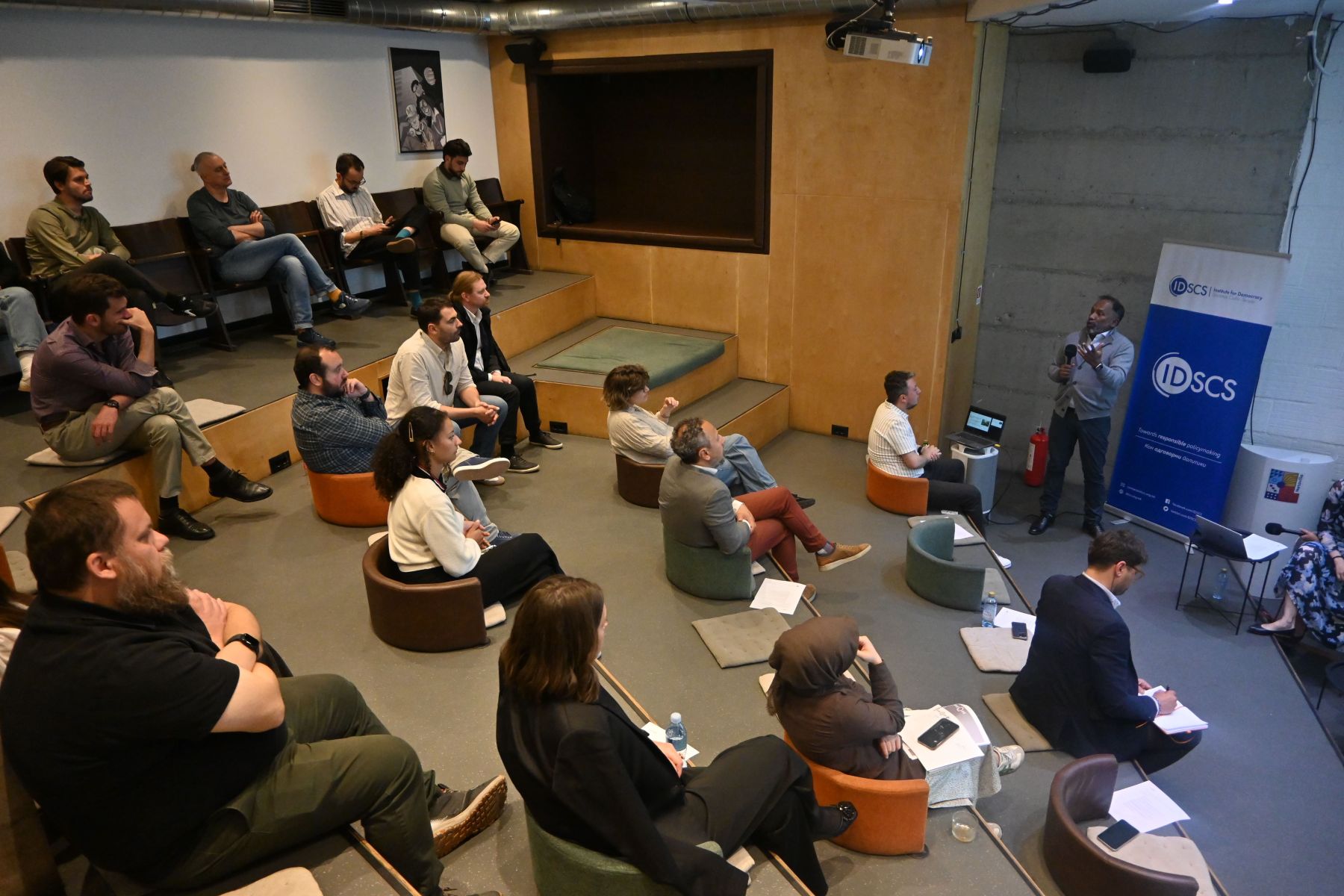
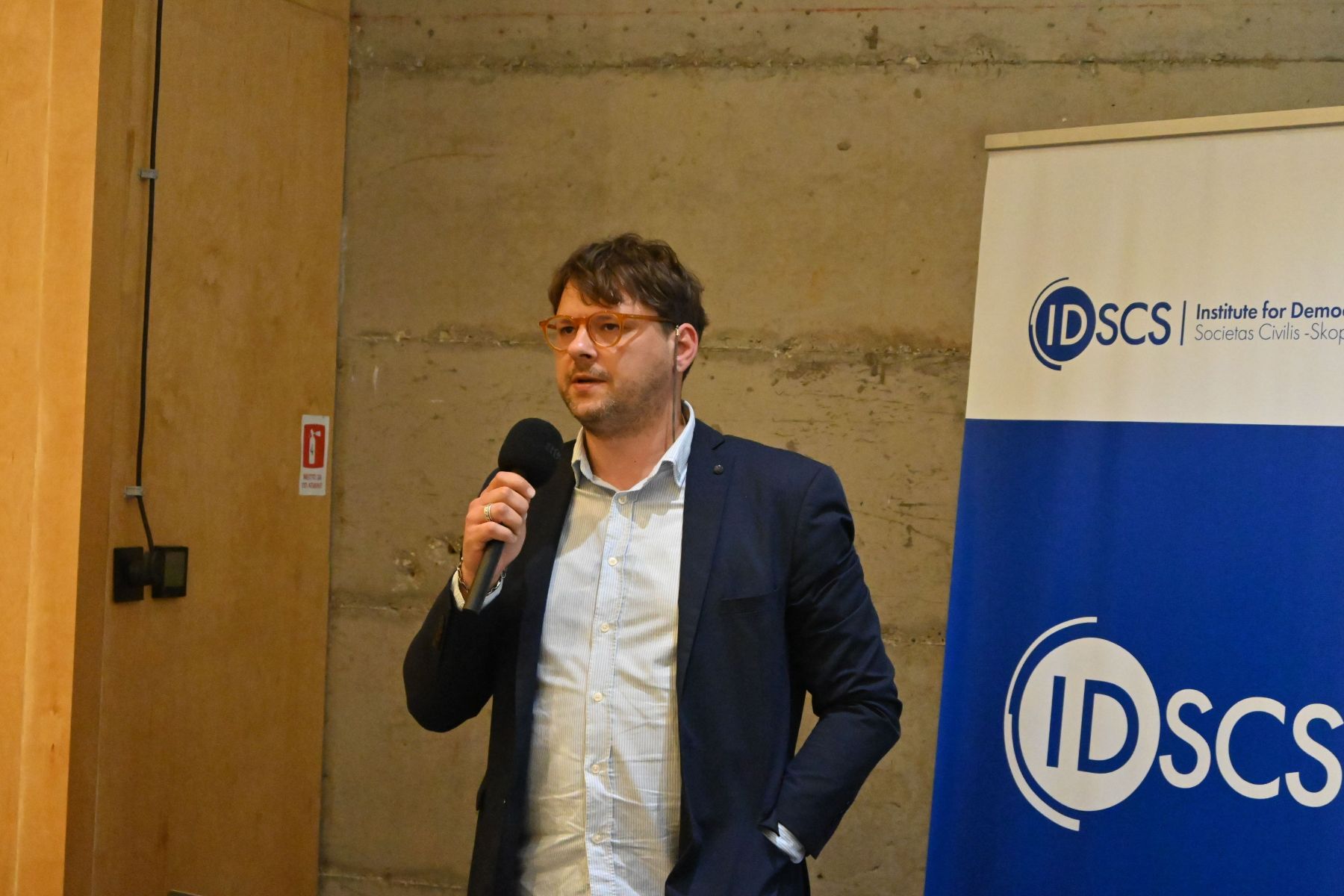
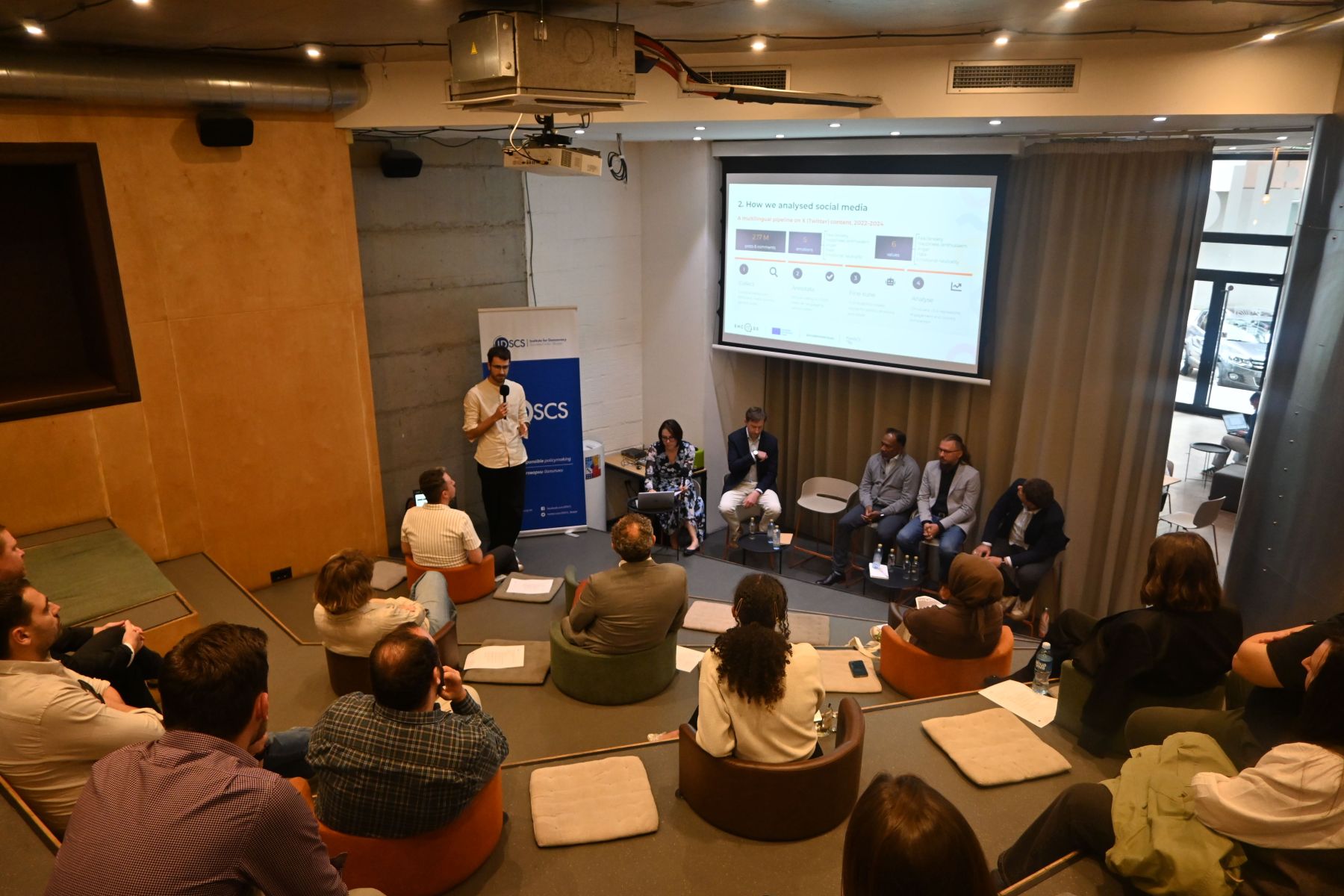
These are among the key findings presented at the public event “Emotions and Politics: Insights from the Encode Project”, organised by the Institute for Democracy “Societas Civilis” – Skopje (IDSCS), as part of the ENCODE project, funded by the Horizon Europe programme.
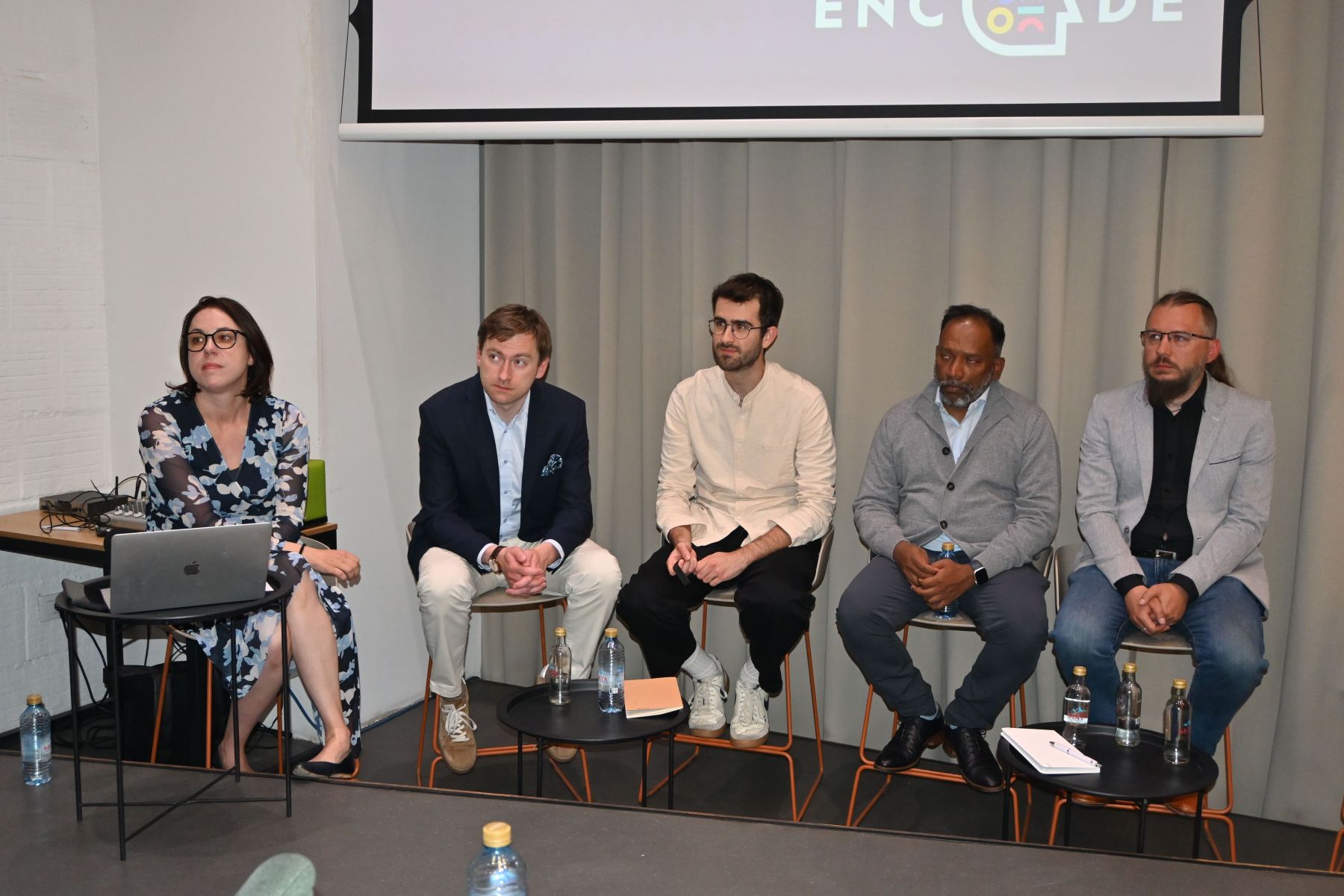
The event brought together researchers from several European academic and research institutions – the University of Wrocław, the University of Vienna, PredictBy from Spain, and ASM Research Solutions Strategy from Poland – who presented findings from a two-year study on the emotional dimensions of political life in Europe, including North Macedonia. The presentations and discussion focused on topics such as democratic resilience, political polarisation, emotional political communication, and innovative methods for studying political behaviour.
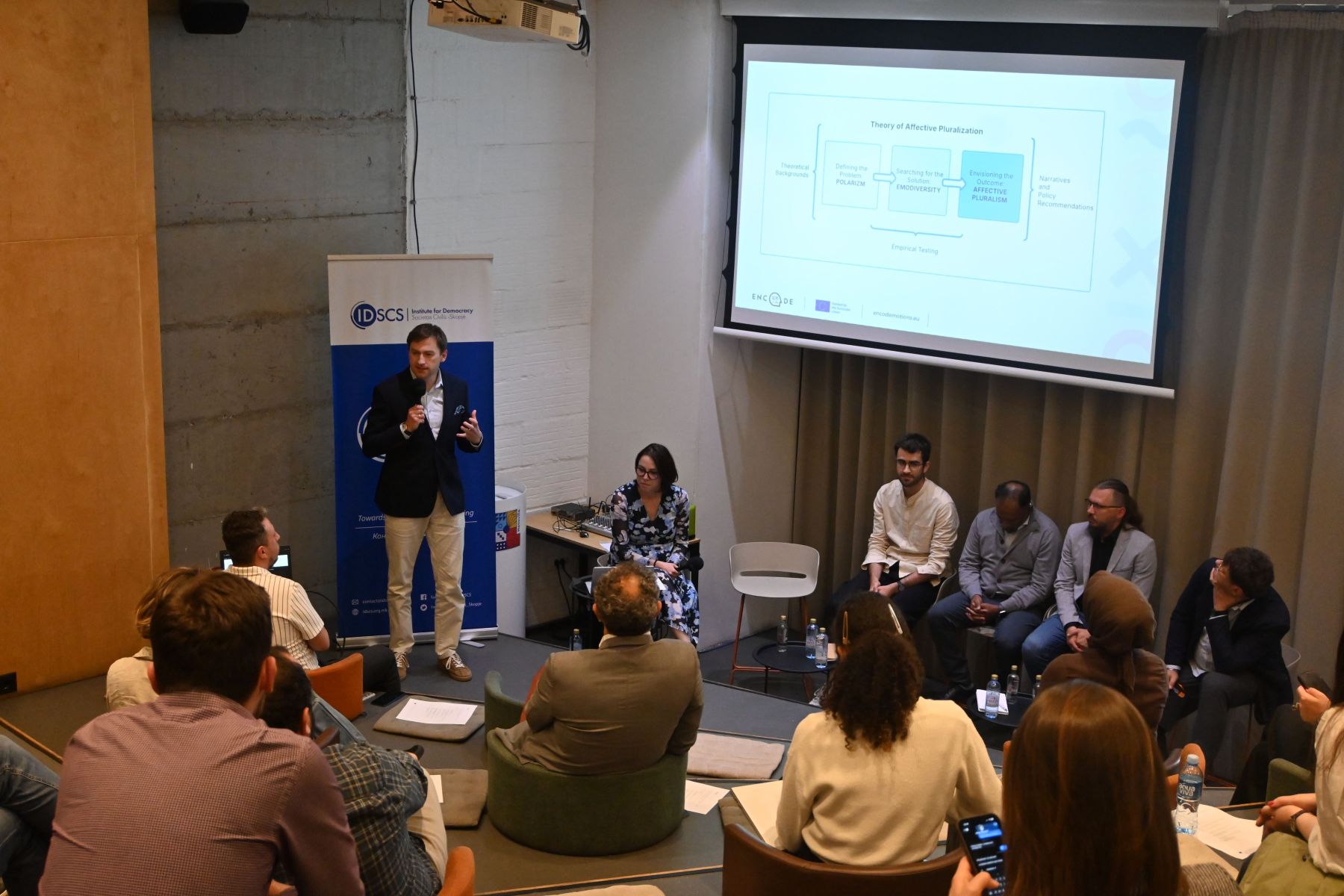
Theoretical Framework: The Problem Is Not Too Much Emotion, But Too Little Variety
The event opened with an introduction to the theoretical foundations of the project through the concept of “affective pluralism”. Pawel Nowakowski from the University of Wrocław argued that the problem with contemporary politics is not that it has become “too emotional”, but that public discourse is often dominated by a narrow spectrum of emotions, such as anger and fear.
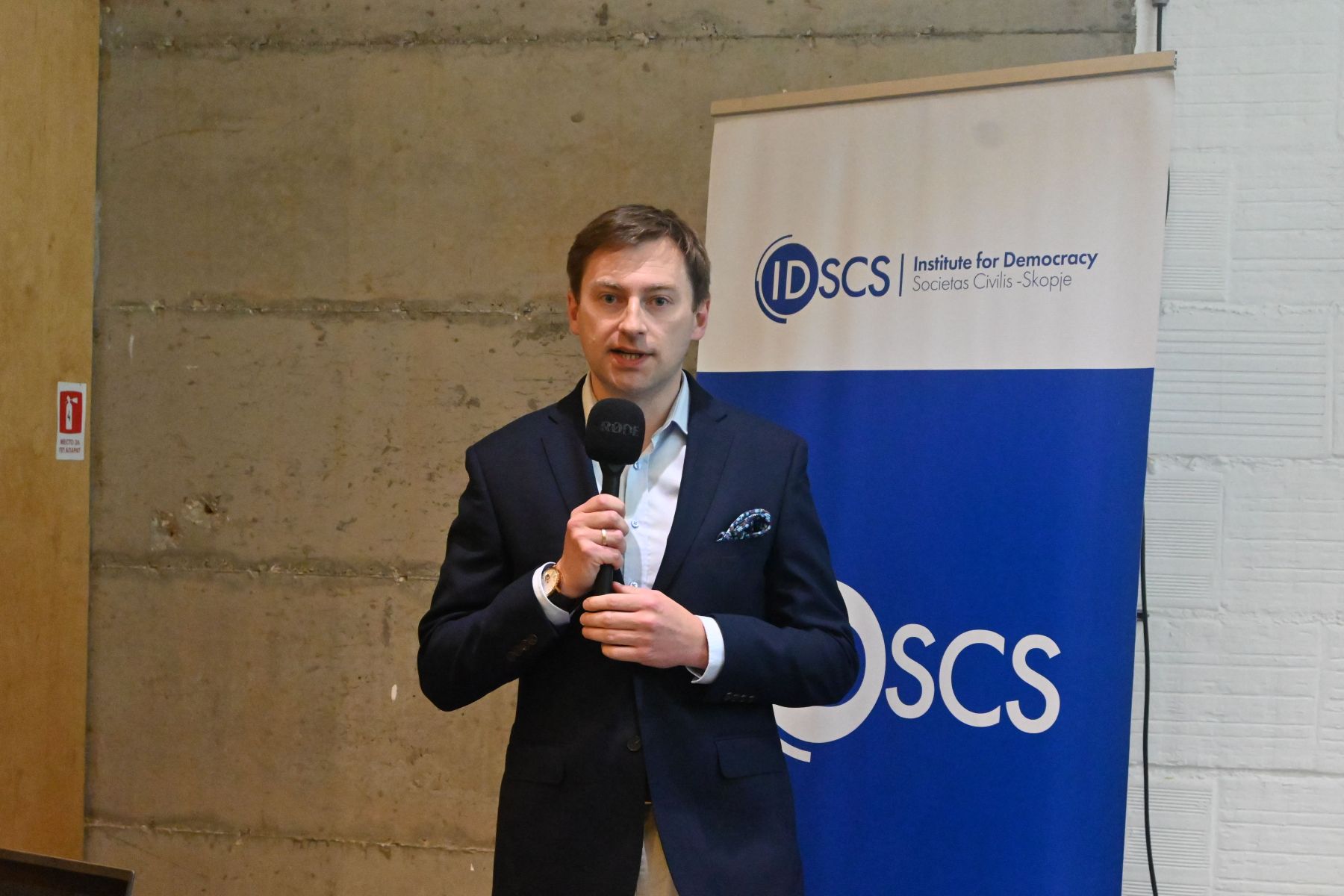
The proposed Theory of Affective Pluralization introduces the concept of “political emodiversity” — a richer emotional public space in which different emotions coexist and contribute to healthier democratic dialogue and greater resilience to polarisation.
Online Political Communication: Hate Is a Constant, Not an Exception
A significant part of the event was devoted to findings on North Macedonia from the extensive social media content analysis conducted across six European countries. Rodrigo Ortega Izquierdo from PredictBy presented results from an analysis of more than 2.17 million posts and comments on the platform X (formerly Twitter), examining the communication of politicians, media outlets, and citizens using a large language model (LLM) developed specifically for the project. From North Macedonia, 120,000 posts and comments on X were analysed.
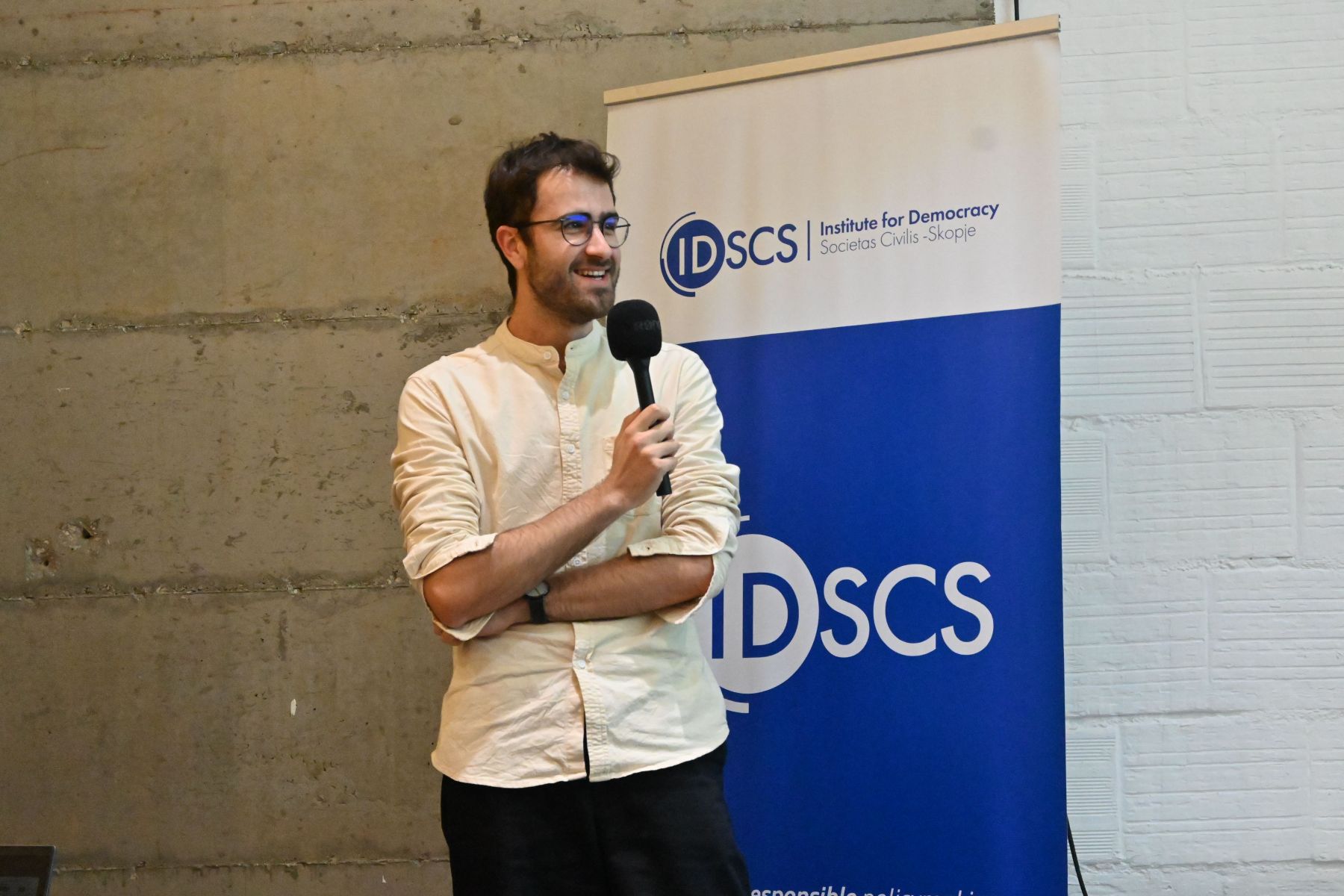
The findings showed that online political communication in North Macedonia becomes significantly more emotional during electoral periods, particularly through increases in enthusiasm, happiness, and anger. At the same time, the results revealed that hostile communication is a permanent feature of the online space: 98% of comments directed at politicians contained elements of hate, while 82% contained indicators of anger. The research further showed that content published by politicians reaches a significantly wider audience and generates more engagement than media posts or comments, with the identity of the author — not just the emotional tone — being a key factor in the spread of messages in the Macedonian political X-space.
The researchers also noted that different emotions produce different effects on audience engagement. For politicians, content that triggers fear or anxiety generates the highest engagement, while hate-based content has a weaker effect. In media posts, however, content with elements of hate spreads most easily online. At the same time, positive emotions and constructive messages prove to be the most reliable driver of engagement — a finding suggesting that values-based and constructive narratives can successfully compete with the politics of outrage and conflict.
A distinctive feature of the Macedonian context is that electoral periods do not coincide with higher levels of expressed hate on social media. The researchers also pointed to an important structural challenge: the Macedonian language is not properly recognised in X’s language tagging systems, meaning that a significant share of political discourse in our country remains less visible both to researchers and to the platform’s moderation tools.
Democratic Resilience: Indifference Is a Greater Risk Than Emotional Intensity
The following presentation focused on democratic resilience and citizens’ relationship with their political rights. Anand Murugesan from the University of Vienna presented findings from a behavioural experiment conducted across several European countries, in which participants were asked whether they would accept money to sign a petition contrary to their true political views.
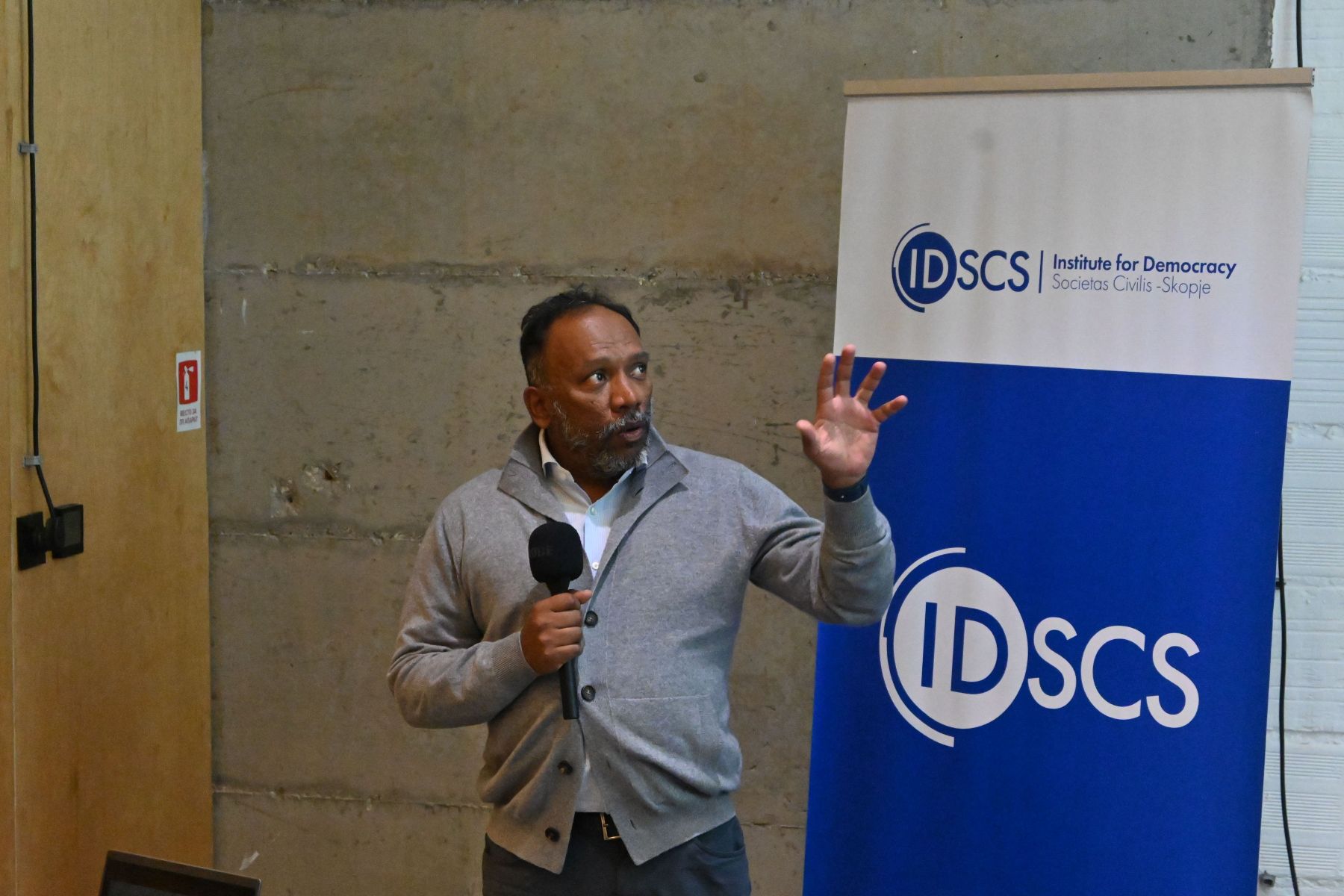
The results showed that 80% of respondents in North Macedonia refused to even consider such an offer — one of the highest percentages in the study. Similar results were obtained regarding the right to vote, with 78% of respondents refusing to consider financial compensation in exchange for abstaining from voting.
The researchers emphasised that emotional disengagement may represent a greater democratic risk than emotional intensity itself. Citizens who expressed emotions such as anger, anxiety, or hope were significantly less willing to “monetise” their political rights, while politically indifferent respondents were more open to such a possibility.
What We Feel and What We Say Are Not the Same Thing
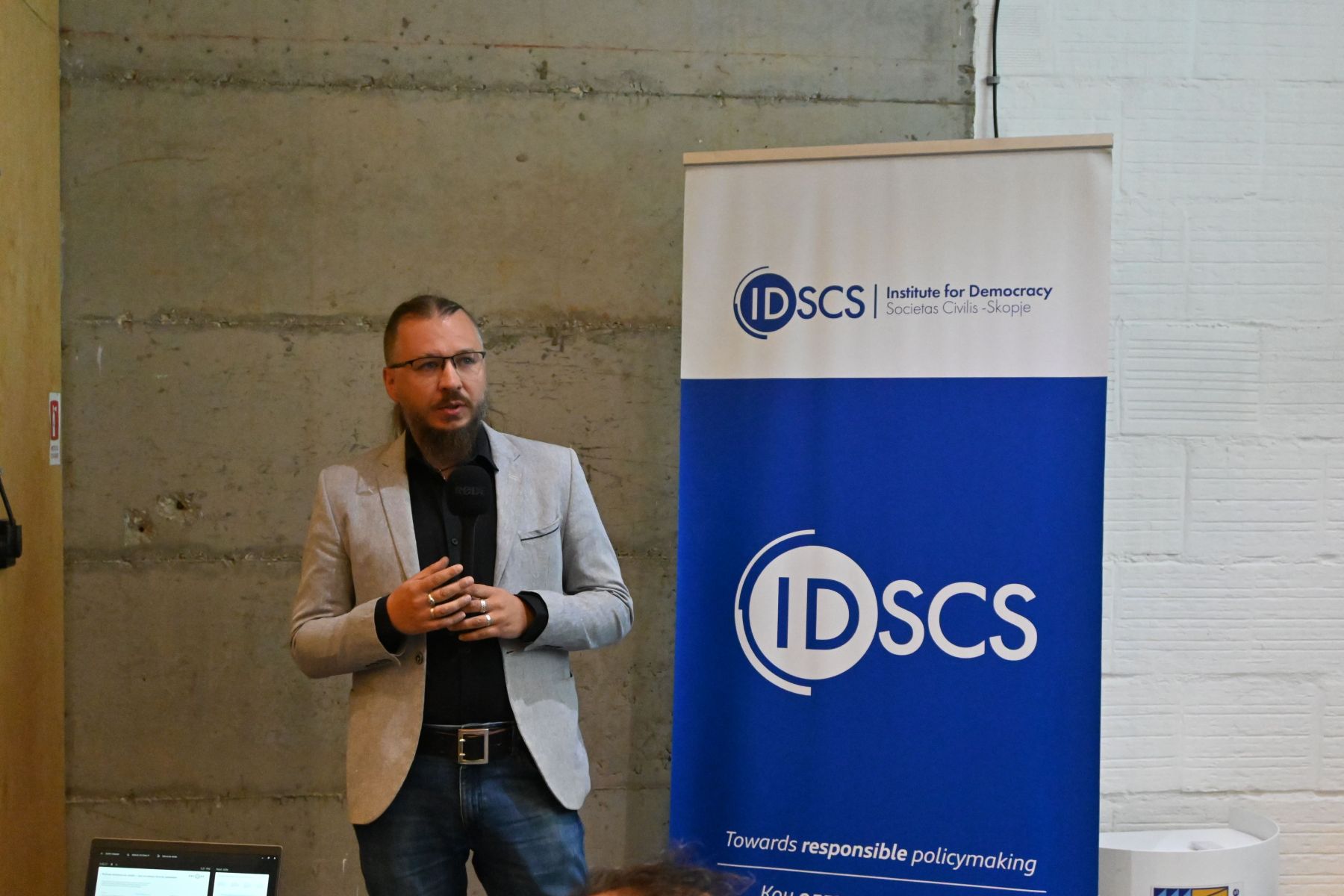
Participants also had the opportunity to engage with one of the most innovative methodological approaches within the project. Łukasz Wilczyński from ASM Research Solutions Strategy presented research combining face-tracking, eye-tracking, and in-depth interviews to examine how citizens emotionally respond to political content and how those responses differ from their subsequent verbal explanations. The findings showed that visible emotional reactions and self-reported emotions rarely fully align, suggesting that people frequently rationalise or reframe their immediate reactions once they begin to articulate them verbally.
In the closing discussion, participants reflected on the broader implications of the ENCODE project findings for democratic processes in Europe and North Macedonia. It was highlighted that contemporary challenges related to polarisation and disinformation cannot be understood solely as a problem of “false information”, but also as a question of emotional dynamics, distrust, and the ways in which digital platforms amplify polarising narratives. In this regard, the researchers emphasised that future policies and democratic practices need to pay greater attention to the emotional needs of citizens, the development of constructive public communication, and the creation of space for more complex and inclusive democratic dialogue. Particular emphasis was placed on the need to strengthen democratic resilience through building trust, media literacy, and developing narratives that encourage dialogue rather than further polarisation.
As part of the ENCODE project, “Citizen Innovation Labs” will be organised in the coming period — co-creative workshops in which citizens will jointly develop new emotional narratives for the future of democracy and political communication. These activities will be complemented by foresight approaches and scenarios for the future development of political and democratic processes, with the aim of identifying more constructive and inclusive models of public communication and democratic participation.